
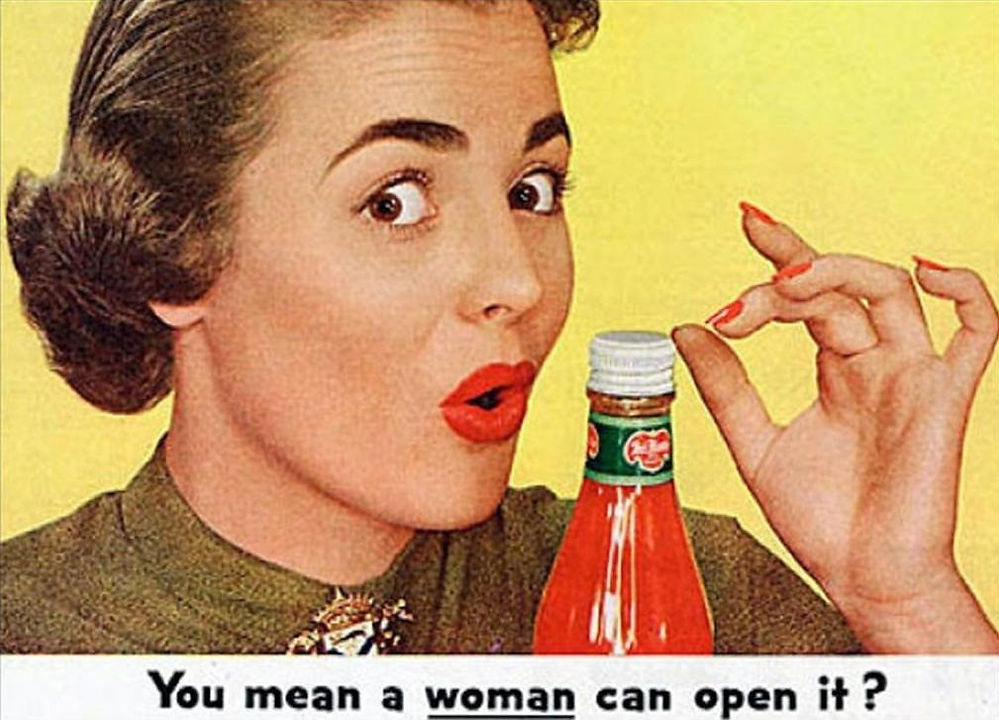
Photo 1: Del Monte Ketchup, 1953 – “You mean a woman can open it? Easily—without a knife blade, a bottle opener, or even a husband!”
Written for Alchemy Advertising, 2016
The goal of advertising is to make a target market react; that is, to buy a specific product, or use a certain service. It’s more a psychological thing than anything; such is why most advertisements focus on the audience’s insecurities, including their wants and needs. For a long time, what women wanted or needed to do – or what companies assumed they wanted and needed to do – was to please men, or more specifically, their husbands. Back in the day, a woman was nothing more than just a housewife, who cooks, cleans, and takes care of the children (although in modern times, considering aforementioned duties, a housewife almost equates to a superwoman).
As the old saying goes: this is a man’s world, and people from the early twentieth century believed just that. Thus began the blatant sexism in advertising, a shameless norm back in the first half of the 1900s, but greatly frowned upon once the 2000s began.
Companies who survived long enough to experience twenty-first century rebranding deeply and publicly regret their very sexist advertisements from almost a century ago. Most of them have rightfully changed their image to equally support all gender markets. Unfortunately, newer and younger brands still rely on old-fashioned (see: sexist) thinking to create hype for their products and services. While that may be considered a genius idea to some, it is also a very daring (and offensive) one as well.

Photo 2: Schlitz Beer, 1952
Before feminist groups emerged, however, there was no one to stop the constant and consistent sexism revealed in almost every visual advertisement in the past. Most print ads depict a woman serving a man – or merely portrayed as a visual or sexual object, capable only of seduction – while a man sits back with his legs crossed, head held high in pride. These are common in many food and beverage ads, prominently for beers. Print ads for appliances such as vacuum cleaners, washing machines, baking mixers, stoves, ovens, and various other kitchenware blatantly allude to the idea that a woman belongs in the kitchen, if not their own home.
Vintage print ads portrayed woman as mere accessories – weak, air-headed, vain, easy, and submissive. The only positive attributes suggested, given the products targeted to them, are that they are hard-working, meticulous, caring, attractive, good cooks, and (should be) more physically put-together than men.
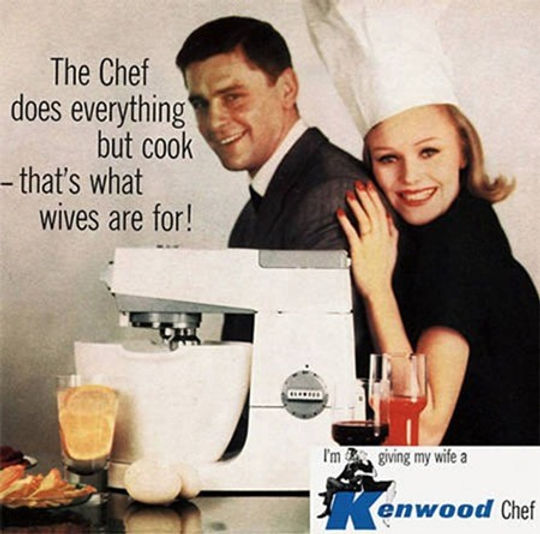
Photo 3: A 1960s ad from Kenwood Chef – “I’m giving my wife a Kenwood Chef.”
Despite the transition into the new age, and the rebranding of most formerly sexist companies, there are still quite a number of them who voluntarily retained their misogynistic image. Take Madison Avenue Cookware, for example. Back in 2009, they released a line of cooking ware, and matched them with copies that people would only have seen more than five decades ago. “A woman’s best friend,” Madison Avenue claimed their cookware to be.

Photo 4: Madison Avenue, 2009
CEO of Madison Avenue Cookware, Roger Hudson, defended the campaign by stating that this type of advertising has worked well for America, and he felt it would work in certain parts of Australia as well. Additionally, he added that, “These women respond well to traditional values.”
Feminists did not let it slide, however, as Women Rights Activist, Cathy Davis, commented that the ads are “absolutely despicable” and that they “devalue women.” To which the CEO simply replied, “Settle down, doll face.”
If a widespread ad made any attempt to bring countries back a few years (it’s 2016, after all), there will be no time wasted in taking them down – but not before making it a controversial issue. Madison Avenue Cookware was not an exception. It’s not solely for the purpose of controversy, but that of awareness. The rightful emergence of feminist groups and online petitions that reach various countries worldwide had grown into massive popularity that some of them had the chance to turn viral.
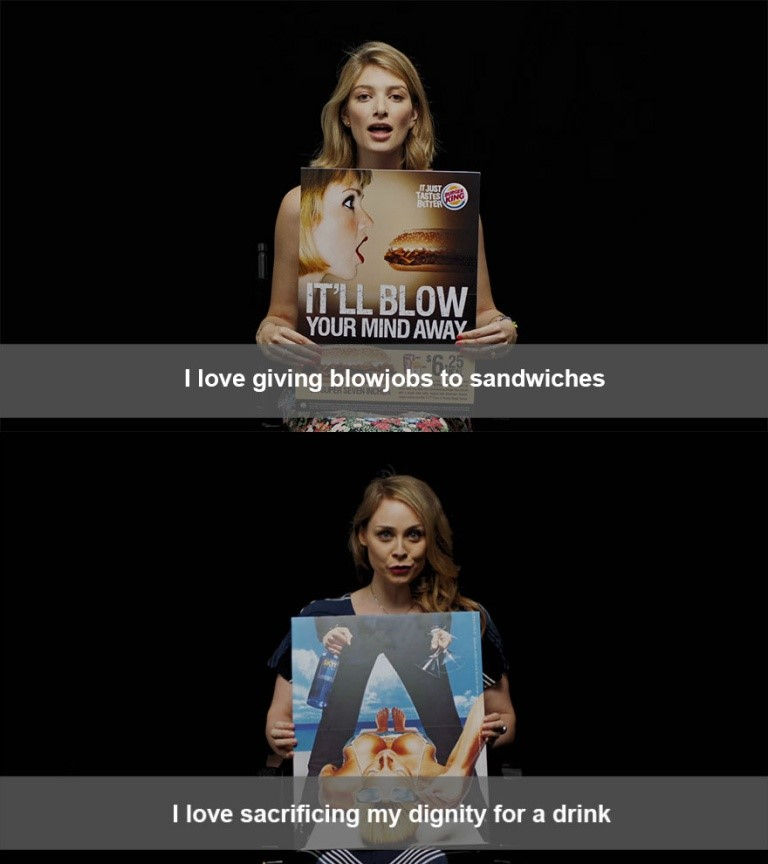
Photo 5: Video for #WomenNotObjects Campaign, January 2016
One example is a powerful video against women objectification entitled “We are #WomenNotObjects,” a nod to David Ogilvy’s famous statement, “The consumer is not a moron, she is your wife.” Created by Madonna Badger, a renowned advertising executive, the intention of this video is to convince various brands, companies, and other advertising agencies to stop using women as objects in advertising, specifying its harmful effects on young women viewers.
Aforementioned video ended with a thought-provoking statement that is sure to make men think, and, most importantly, react: “I am your mother, daughter, sister, co-worker, manager, your CEO. Don’t talk to me that way.”
REFERENCE:
http://www.campaignbrief.com/2009/04/sexist-campaign-slammed-by-wom.html
http://www.medialit.org/reading-room/sexist-advertisements-how-see-through-soft-sell
http://www.attn.com/stories/5512/women-not-objects-fights-sexism-in-advertising
https://bitchmedia.org/article/super-bowl-2016-ads-worst-sexist-feminism-not-buying-it
https://thetab.com/2016/04/28/theres-going-investigation-sexist-advertising-88365
 Copywriting Candy
Leave a comment